
Is the GSG Firefly Worth It? A No-Nonsense Guide to Reliability and Performance
Read our honest GSG Firefly review to find out if this budget-priced .22 LR pistol is a solid trainer or an ammo-picky headache. Discover performance specs and fixing tips.
OPINION
Dan
6/3/20264 min read
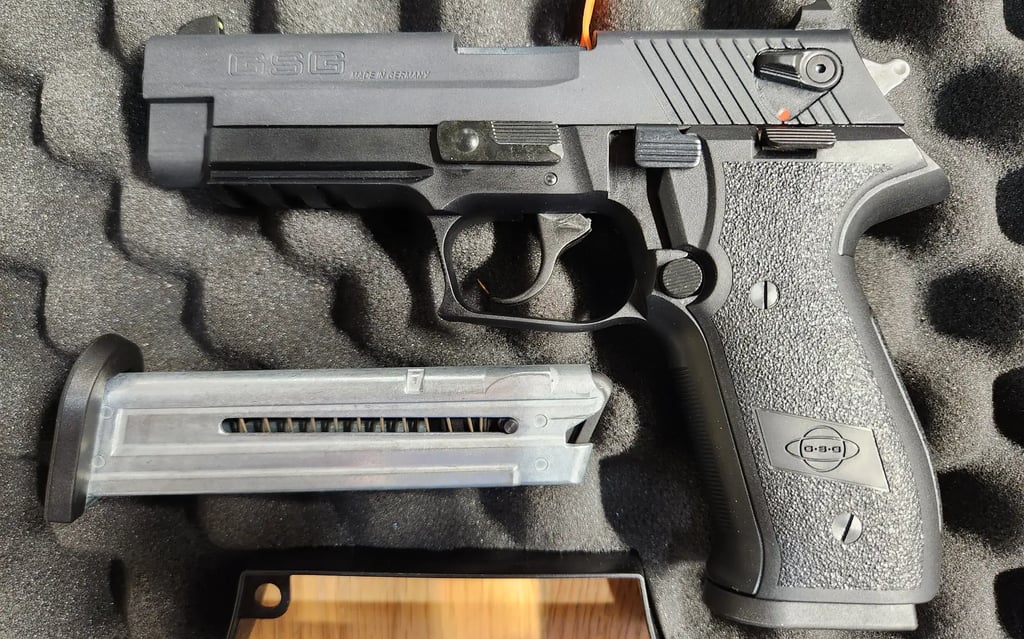
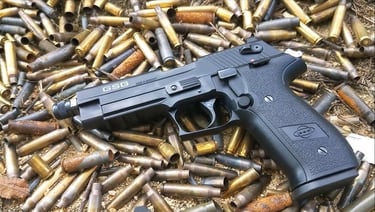
The GSG Firefly is a highly affordable, 95% scaled-down replica of the classic SIG Sauer P226 chambered in .22 LR that serves as an excellent, low-cost training pistol when paired with high-velocity ammunition.
Key Takeaways
Budget-Friendly Trainer: Offers identical controls and handling to full-sized centerfire pistols for under $200.
Ammunition Picky: Requires high-velocity round-nose ammo (minimum 1,250 FPS) to cycle reliably out of the box.
Zinc Alloy Build: Constructed with a Zamak zinc alloy slide and frame overmolded with polymer grips.
Maintenance Heavy: Demands a thorough initial cleaning and frequent chamber scrubbing to prevent failures to eject.
What Are the Core Specifications of the GSG Firefly?
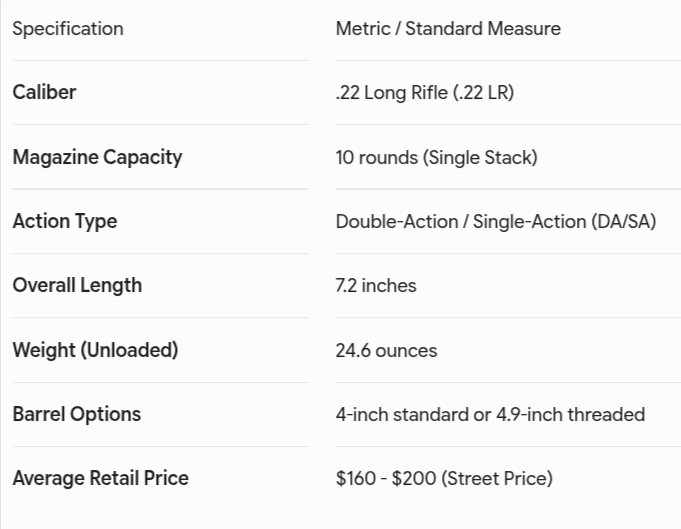
The GSG Firefly is a compact, blowback-operated semi-automatic rimfire pistol featuring a 4-inch barrel, a 10+1 capacity, and a double-action/single-action (DA/SA) trigger mechanism. This setup mimics the operational controls of premium centerfire tactical pistols, making it a highly popular, low-cost training platform for shooters.
Originally entering the market as the SIG Sauer Mosquito, this pistol is manufactured by German Sport Guns (GSG) and imported into the United States by American Tactical Imports (ATI). It features a wear-resistant zinc alloy slide, an integrated Picatinny accessory rail, and an ambidextrous slide-mounted safety alongside a functional decocker.
Why Does the GSG Firefly Have a Reputation for Jamming?
The GSG Firefly suffers from frequent failures to extract (FTE) and failures to feed (FTF) primarily because its heavy zinc alloy slide requires high-velocity ammunition to cycle fully. When standard or subsonic bulk-pack ammo is used, the blowback energy is insufficient to push the slide completely rearward, causing short-cycling.
In my experience running various rimfire platforms, the steep feeding angle of the Firefly magazine also forces the bullet nose to climb quite a bit to hit the chamber entrance. If the feed ramp is unpolished or coated in factory packing grease, standard lead round nose bullets will easily hang up.
Furthermore, rimfire ammunition is notoriously dirty and frequently coated in protective wax. In a tight blowback chamber, carbon and wax buildup will accumulate fast enough to cause tight extraction binds after fewer than 200 rounds.
Best Methods to Fix Firefly Reliability Issues
Switch to High-Velocity Ammo: Only feed the pistol round-nose ammunition rated at a minimum of 1,250 Feet Per Second (FPS), such as CCI Mini-Mags or Remington Thunderbolts.
Perform a Full Polish: Use a rotary tool with a soft buffer wheel and fine polishing compound to lightly smooth out the feed ramp, the guide rod, and the internal slide friction points.
Clean the Chamber Regularly: Keep a .22 caliber wire brush handy at the range to scrub out the chamber mouth every 150 to 200 rounds to remove waxy buildup.
Adjust the Magazine Spring: Ensure the top loop of the magazine spring is applying upward pressure to the rear of the follower rather than tilting it forward.
My Perspective: Is the GSG Firefly Worth Buying?
What I found when I tested this pistol at the range is that your satisfaction entirely depends on setting the right expectations. If you buy a GSG Firefly expecting it to flawlessly chew through thousands of rounds of cheap, generic bulk-pack box ammo right out of the plastic case, you are going to be incredibly frustrated.
In my experience with firearms and tracking equipment performance, the Firefly can behave like a finicky project gun. It requires a little bit of a break-in period of at least 500 rounds of premium, hot ammunition before the moving parts smooth out against each other. The double-action trigger pull is a bit heavy, long, and definitely hits a late wall, meaning it might not win any match-grade precision competitions.
However, if you view it strictly as a plinking or training asset, it provides phenomenal value. Getting a heavy, realistic DA/SA metal frame handgun with an authentic decocker and accessory rail for under $200 is rare. It lets you practice weapon manipulation, drawing, holster work, and basic sight alignment and tons of fun at the range without burning through expensive ammo. Just be prepared to give it a thorough cleaning, stick to higher quality ammunition, and treat it like the fun, budget-friendly plinker it is.
Frequently Asked Questions:
Can you use a suppressor on the GSG Firefly?
Yes, but you must purchase the specific variant that comes with the extended 4.9-inch threaded barrel. The threads are a metric M9x0.75 size, meaning you will need a standard aftermarket adapter to convert it to the common 1/2x28 thread pitch used by most US rimfire silencers.
Is the GSG Firefly the same gun as the SIG Mosquito?
Yes, they are mechanically identical. German Sport Guns originally manufactured the pistol for SIG Sauer, who marketed it as the Mosquito; after SIG discontinued the licensing arrangement, GSG began distributing the exact same design under their own "Firefly" branding via American Tactical.
What kind of magazine does the Firefly use?
The pistol utilizes a proprietary 10-round single-stack steel magazine featuring a side thumb button to assist with compressing the follower spring during loading. Standard aftermarket .22 LR magazines designed for other platforms will not fit or lock into the Firefly frame.
Subscribe newsletter
or Email us at: DerringerDan@Snakebite.com
For Advertising information: 941-876-8332
425 Montague ln. Northport, FL 34287