Top Pocket Pistols for Everyday Carry: Small Size, Big Performance
Looking for the best pocket pistols for concealed carry? Discover top-rated compact firearms like the Ruger LCP, Bond Arms Derringers, and more in this guide.
POCKET PISTOLSOPINION
Dan
7/1/20258 min read
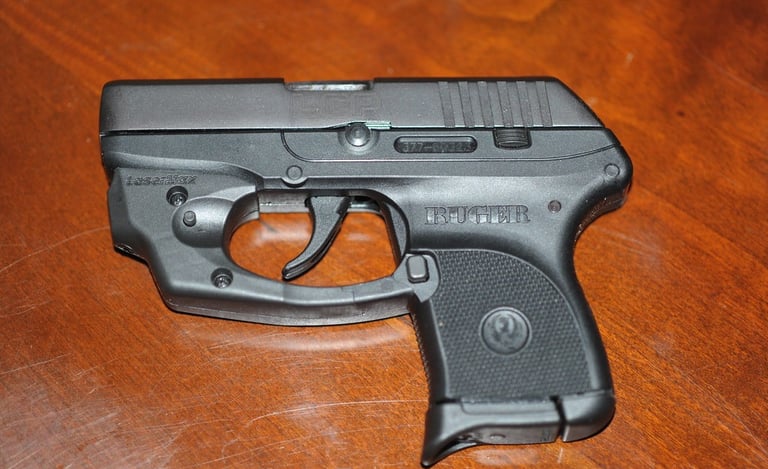
What is a Pocket Pistol?
A pocket pistol is a small, lightweight handgun designed to fit comfortably in a standard pants or coat pocket. These guns are typically chambered in calibers like .22 LR, .32 ACP, .380 ACP, or even 9mm in some cases. They're often used as backup guns or by those who prefer deep concealment.
To be clear: just because a gun fits in your pocket doesn’t automatically make it a good candidate for pocket carry. Weight, shape, trigger safety, and snag-free design are all critical factors.
Always use a dedicated pocket holster to keep the trigger protected and the gun properly oriented. Never carry anything else in the same pocket as your pistol.
The Pocket Pistol: Compact Firepower for Everyday Carry
When it comes to concealed carry, convenience and discretion are everything. That's where the pocket pistol shines. Small enough to slip into your pocket yet powerful enough to defend your life, these compact firearms are popular among those who want a no-fuss, easy-to-carry option for self-defense.
Whether you're a seasoned concealed carrier or just starting your journey into EDC (Everyday Carry), understanding your options for pocket pistols can help you choose the right tool for the job. Let’s take a closer look at what qualifies as a pocket pistol and explore some of the most popular models available today.
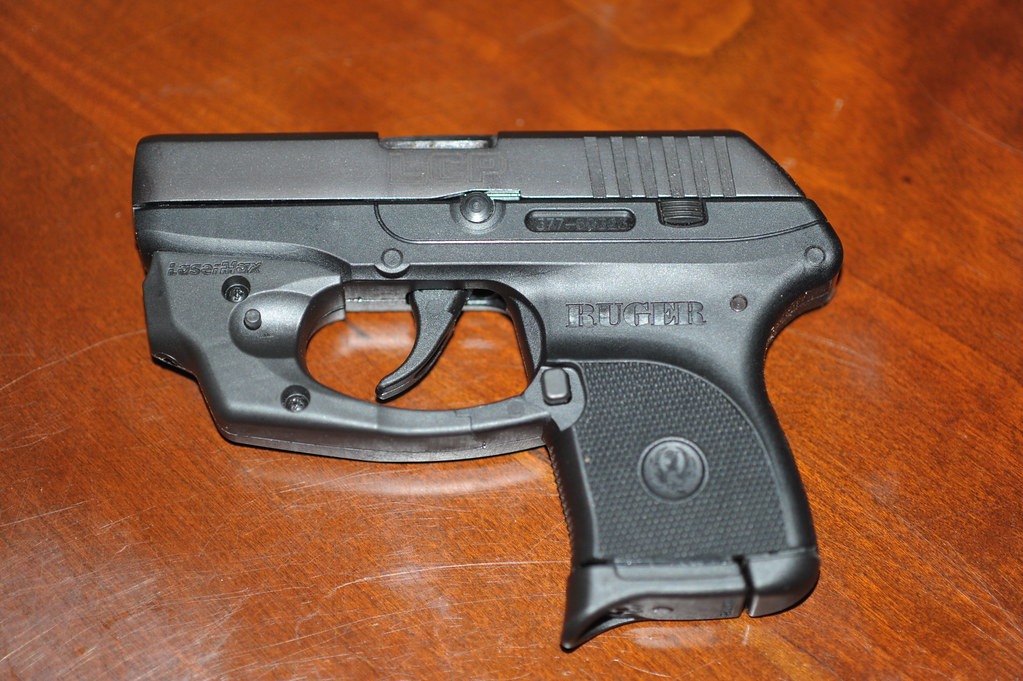
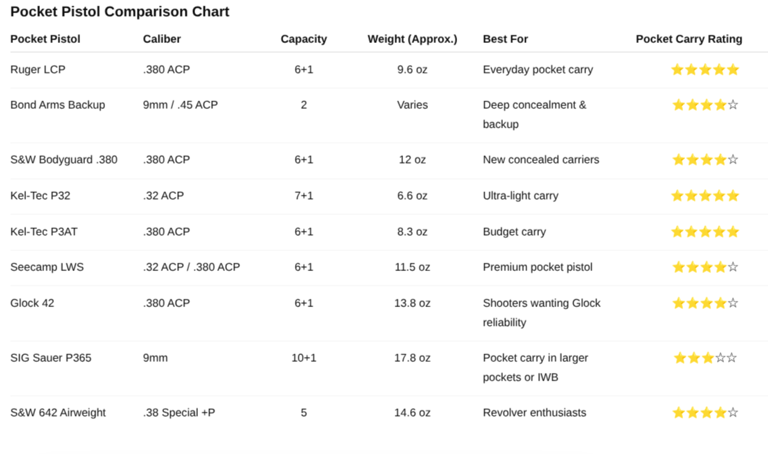
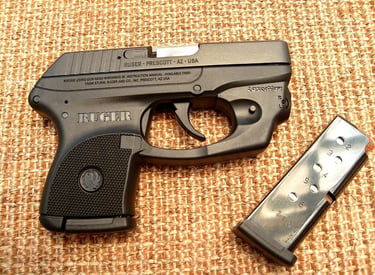
1. Ruger LCP (.380 ACP)
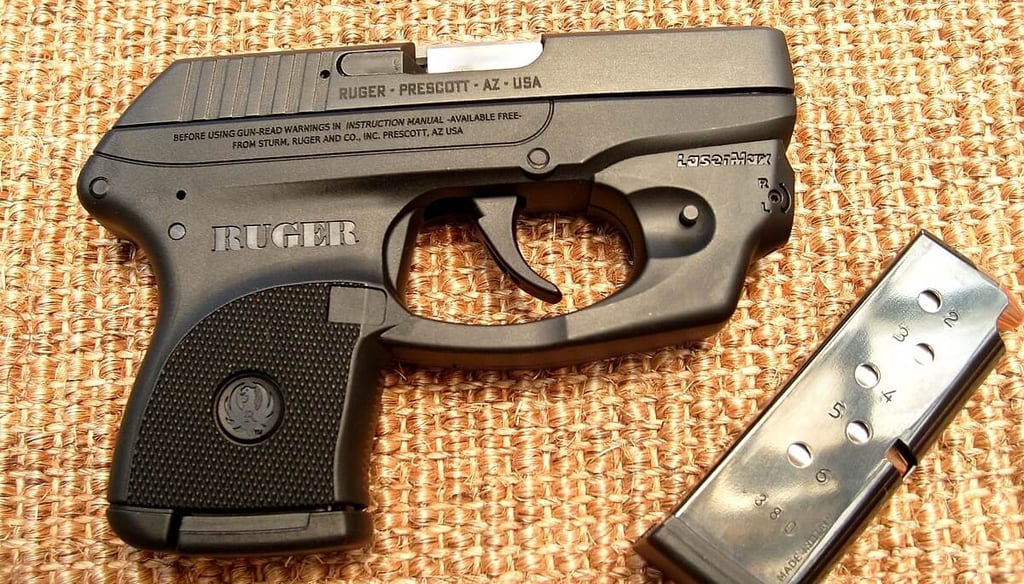
The Ruger LCP is one of the most well-known pocket pistols on the market—and for good reason. It’s slim, lightweight, and purpose-built for discreet carry.
Specs:
Caliber: .380 ACP
Weight: 9.6 oz
Barrel Length: 2.75 inches
Capacity: 6+1
This pistol is simple and effective, and its small profile makes it nearly invisible under light clothing. Just don’t expect pinpoint accuracy beyond 10–15 yards—this is a close-quarters gun through and through.
2. Bond Arms Derringers
Bond Arms has carved a niche with its ultra-compact, double-barrel derringer style pistols. While not ideal for everyone, they have their place in the pocket pistol world—especially for those who value simplicity and ruggedness.
Popular Models:
Bond Arms Backup
Bond Arms Snake Slayer
Bond Arms Roughneck
Features:
Calibers vary (many models available in .38 Special, .357 Magnum, or .45 Colt/.410)
Two-round capacity
Stainless steel construction
Heavier than most pocket pistols (but built like a tank)
These derringers are not known for rapid fire, but for close-range stopping power and reliability, they’re tough to beat.
3. Smith & Wesson Bodyguard (.380 ACP)
Another favorite in the .380 category, the S&W Bodyguard offers a lightweight polymer frame and integrated laser sight in some models.
Specs:
Caliber: .380 ACP
Weight: 12 oz
Barrel Length: 2.75 inches
Capacity: 6+1
This pistol fits nicely in a pocket holster and has a smooth profile that resists snags. The double-action-only trigger provides an extra layer of safety for pocket carry.
4. Kel-Tec P32 and P3AT
Kel-Tec has been a pioneer in budget-friendly concealed carry pistols. The P32 and P3AT are both ultra-light options that work well in the pocket.
Specs (P32):
Caliber: .32 ACP
Weight: 6.6 oz
Barrel Length: 2.7 inches
Capacity: 7+1
Specs (P3AT):
Caliber: .380 ACP
Weight: 8.3 oz
Capacity: 6+1
They may not be pretty, but for a backup or deep concealment pistol, Kel-Tec gets the job done.
5. Seecamp LWS Series (.32 ACP and .380 ACP)
For those who value fine craftsmanship in a pocket-sized package, the Seecamp LWS32 and LWS380 are worth a look. These all-metal, beautifully machined pistols are some of the smallest around.
Specs:
Caliber: .32 ACP or .380 ACP
Weight: ~11.5 oz
Barrel Length: 2.06 inches
Capacity: 6+1
These pistols don’t have sights—which may sound odd—but at pocket-pistol distances, they do just fine.
6. Glock 42 (.380 ACP)
The Glock 42 has become one of the most popular pocket-sized pistols thanks to Glock's reputation for reliability and simplicity. Chambered in .380 ACP, it is slightly larger than many ultra-compact pocket pistols, but many shooters find that the additional size provides a more comfortable grip and improved shootability.
Specs:
Caliber: .380 ACP
Weight: 13.8 oz (unloaded)
Barrel Length: 3.25 inches
Capacity: 6+1
The Glock 42 is an excellent choice for those who want the reliability of a Glock in a pistol that's still compact enough for pocket carry in larger pockets or cargo shorts. Its mild recoil and excellent ergonomics make it one of the easiest pocket-sized pistols to shoot accurately.
7. SIG Sauer P365 (9mm)
Although it's pushing the upper limit of what many people consider a pocket pistol, the SIG Sauer P365 has revolutionized concealed carry by offering full-power 9mm performance in an incredibly compact package.
Specs:
Caliber: 9mm
Weight: 17.8 oz (unloaded)
Barrel Length: 3.1 inches
Capacity: 10+1 (standard magazine)
The P365 is often carried inside the waistband, but many people successfully pocket carry it with the right clothing and a quality pocket holster. Its higher capacity, excellent trigger, and proven reliability have made it one of the most popular concealed carry pistols available today.
8. Smith & Wesson 642 Airweight (.38 Special +P)
Pocket pistols aren't limited to semi-automatic handguns. The Smith & Wesson 642 Airweight remains one of the most respected pocket revolvers on the market. Its enclosed hammer design prevents snagging during the draw, while its lightweight aluminum frame makes it comfortable enough for everyday carry.
Specs:
Caliber: .38 Special +P
Weight: 14.6 oz (unloaded)
Barrel Length: 1.88 inches
Capacity: 5 rounds
Many experienced concealed carriers continue to trust the 642 because of its simple operation and outstanding reliability. While it offers fewer rounds than many semi-automatic pistols, its snag-free design and proven performance have made it a longtime favorite for pocket carry and backup gun duties.
Choosing the Right Pocket Pistol
When deciding which pocket pistol is right for you, consider the following:
Size and weight: Will it comfortably fit in your pocket without printing?
Caliber: Choose something manageable that you can shoot accurately.
Ergonomics: Can you get a good grip and control recoil?
Trigger: Look for a smooth, consistent pull that feels safe in the pocket.
Reliability: Only carry what you trust your life with.
Always use a dedicated pocket holster to keep the trigger protected and the gun properly oriented. Never carry anything else in the same pocket as your pistol.
Pros and Cons of Pocket Pistols
Pros:
Extremely easy to conceal, even with lightweight clothing.
Comfortable enough for everyday carry in a pocket holster.
Excellent backup firearm for those who already carry a larger handgun.
Lightweight designs reduce fatigue during all-day carry.
Available in a variety of calibers and price ranges.
Cons:
Short barrels and small sights can make accurate shooting more challenging.
Reduced ammunition capacity compared to compact or full-size pistols.
Increased felt recoil due to their lightweight construction.
Smaller grips may be difficult for shooters with large hands.
Effective defensive shooting requires regular practice because of their compact size.
Pocket Carry Tips
Pocket carry is one of the most convenient methods of concealed carry, but it also requires attention to safety and consistency.
Always carry your firearm in a dedicated pocket holster that completely covers the trigger guard. The holster keeps the firearm properly oriented for a consistent draw while preventing objects from entering the trigger guard.
Your pocket should be reserved exclusively for your firearm and holster. Avoid carrying keys, coins, knives, or other objects in the same pocket, as they can interfere with drawing the firearm or potentially create unsafe conditions.
Choose pants or shorts with pockets large enough to fully conceal the firearm without excessive printing. Loose-fitting clothing generally works better than tight-fitting garments for pocket carry.
Finally, practice drawing your unloaded firearm from your pocket in a safe environment. Developing a smooth, consistent draw stroke will help build confidence and ensure you're prepared should you ever need to access your firearm quickly.
Who Should Consider a Pocket Pistol?
Pocket pistols are an excellent choice for people who value maximum concealment and convenience. They are especially popular among those who wear lightweight clothing, spend long hours driving, or simply prefer carrying a smaller firearm that is less noticeable throughout the day.
They also make excellent backup firearms for individuals who already carry a larger handgun. Their compact size allows them to be carried in a pocket, ankle holster, or other deep-concealment location without adding significant weight or bulk.
However, pocket pistols are not ideal for everyone. Their shorter sight radius, reduced ammunition capacity, and smaller grips require more practice to shoot accurately than many larger handguns. Before choosing a pocket pistol as your primary defensive firearm, spend time at the range to ensure you can operate it confidently and accurately under realistic conditions.
Pocket Pistols vs. Derringers
Although both pocket pistols and derringers are designed for deep concealment, they serve slightly different purposes. Pocket pistols typically offer higher ammunition capacity, faster reloads, and quicker follow-up shots thanks to their semi-automatic design. Derringers, on the other hand, are valued for their mechanical simplicity, robust construction, and ability to chamber larger calibers than many similarly sized semi-automatic pistols.
For shooters who prioritize capacity and rapid follow-up shots, a modern pocket pistol may be the better choice. Those who appreciate traditional firearm designs, powerful chamberings, or the simplicity of a break-action handgun may find a derringer better suits their needs. Both platforms continue to have loyal followings, and the best choice ultimately depends on your intended use, experience level, and personal preferences.
Pocket Pistol Frequently Asked Questions
What is considered a pocket pistol?
A pocket pistol is a compact handgun designed to be safely carried in a pants or coat pocket using a proper pocket holster. They are typically lightweight and chambered in calibers such as .22 LR, .32 ACP, .380 ACP, .38 Special, or 9mm.
What caliber is best for a pocket pistol?
There is no single best caliber. The right choice depends on your comfort level, recoil tolerance, and ability to shoot accurately. Popular choices include .380 ACP, 9mm, and .38 Special, while some shooters prefer the lighter recoil of .32 ACP.
Can I carry a pocket pistol without a holster?
No. A quality pocket holster that completely covers the trigger guard is an essential safety accessory and helps keep the firearm properly oriented for a consistent draw.
Are pocket pistols accurate?
Yes, but they are designed primarily for close-range defensive use. Their short barrels and small sights make them more challenging to shoot accurately at longer distances than larger handguns.
Are derringers considered pocket pistols?
Many derringers can be carried in a pocket and fall within the broader category of pocket pistols. However, they differ significantly from semi-automatic pocket pistols in capacity, operation, and available calibers.
Can beginners use a pocket pistol?
Yes, but many new shooters find compact firearms more difficult to master because of their shorter grips, increased recoil, and smaller sights. Regular practice and professional instruction can help build confidence and proficiency.
Conclusion: Pocket pistols continue to be one of the most practical options for concealed carry when discretion and convenience are top priorities. Their compact size makes them easy to carry throughout the day, while modern designs offer impressive reliability in remarkably small packages.
Whether you choose a lightweight semi-automatic pistol, a traditional revolver, or even a compact derringer, the most important factors are reliability, safe handling, and consistent practice. Take the time to handle several different models, shoot them if possible, and choose one that fits your hand, your lifestyle, and your level of experience.
No matter which pocket pistol you select, pairing it with a quality pocket holster and regular range practice will help ensure you're prepared to carry safely and confidently every day.
Subscribe newsletter
or Email us at: DerringerDan@Snakebite.com
For Advertising information: 941-876-8332
425 Montague ln. Northport, FL 34287